
 Patient Forms
Dentures – New York, NY
Comfortable & Natural-Looking Smile Restoration
People who’ve been struggling with missing some, most, or all of their teeth have relied on dentures for decades. This lifelike and dependable tooth-replacement option is one of the most popular solutions for restoring a smile, and modern advancements in dentistry have only made them more durable and comfortable. So, if you need a cost-effective method to replace any number of missing pearly whites, you’ll want to consider dentures in New York! Read on or speak with our team at FS Dental Arts to learn more or schedule your consultation today.
Why Choose FS Dental Arts for Dentures?
- Personalized & Lifelike Restoration Solution
- Professional & Caring Dental Team
- Complete In-Office Implant Placement
Who's a Good Candidate for Dentures?

Are you having trouble with moderate to severe tooth loss? To avoid the complications that come with missing pearly whites, you’re likely considering if dentures would be an ideal solution for you. Fortunately, this tooth-replacement option is specifically designed to help renew your smile, bite, and speech, which will significantly improve your overall well-being along the way. Due to modern dental technology, virtually anyone can be eligible for this treatment. Even if you have oral health problems like gum disease or a compromised tooth, our team in New York can provide you with preliminary procedures to get your smile ready for dentures!
Effects of Missing Teeth
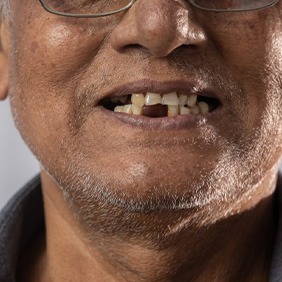
Tooth loss can result from oral injuries, dental infections, and gum disease, and it can cause a variety of oral health problems if left unaddressed. A few of these issues include:
- Diminished chewing strength, which can hinder a patient’s ability to enjoy a healthy and balanced diet.
- Trouble speaking due to changes in how air flows about the mouth during speech.
- Facial sagging due to the cheeks being held too loosely.
- Less willingness to show off one’s smile, which can lead to difficulty socializing and reduced self-esteem.
What Qualifies You for Dentures?

Dentures can be an excellent treatment for almost anyone with sufficiently healthy gums and jawbones who has experienced tooth loss, but they may also be suitable for those who have sensitive teeth or extensive decay. The type of denture that suits you best depends on how many teeth have been lost. Partial dentures can replace one or several missing teeth throughout the mouth while full dentures can restore a whole row of lost teeth. If you are seeking to enjoy the most secure hold and strongest chewing ability possible, implant dentures may be the best option for you. Dentures can also be a much more affordable way to restore lost teeth than other tooth-replacement methods, so they can be an excellent option for patients on a budget.
Alternative Tooth-Replacement Options
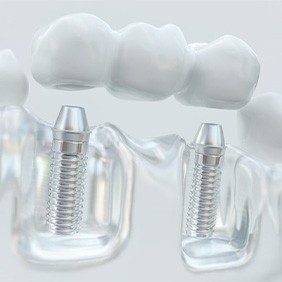
Dentures are not the only way to replace lost teeth. A few other options include:
Dental bridges: These appliances consist of one to four artificial teeth strung between two dental crowns, and they can replace one or more sequential missing teeth. While traditional bridges require healthy teeth on either side of the gap to be modified so they can support the crowns keeping the bridge in place, implant bridges are supported by titanium posts surgically placed in the jawbone.
Dental implants: Considered the ideal form of tooth replacement, dental implants look and feel just like real teeth and can last for a lifetime with proper care. Some patients elect to have their dentures or dental bridges secured in place with dental implants, providing them with a superior hold and optimal chewing power.
Types of Dentures

This tooth-replacement option can restore your grin, clear speech, and the majority of your biting power. To achieve this, we’ll offer you a personalized restoration that’ll be tailored to fix your specific smile. Here are the three main types of dentures:
Partial Dentures
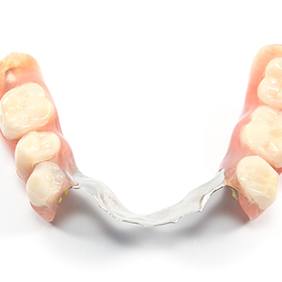
As the name suggests, partial dentures are meant to treat multiple missing teeth. If you still have some natural pearly whites remaining, this restoration can be the best option for you. This solution usually consists of a series of metal frameworks under a gum-colored base that clasps to your nearby healthy teeth.
Full Dentures
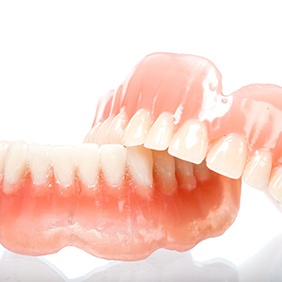
Do you have an entire arch of teeth missing? This is where full dentures come into play. These restorations also have a gum-colored base, but it’s supported by natural suction on the gums, denture adhesive, or a combination of the two. By replacing an entire arch, you’ll be free to enjoy smiling, chewing, and talking with confidence again.
Implant Dentures
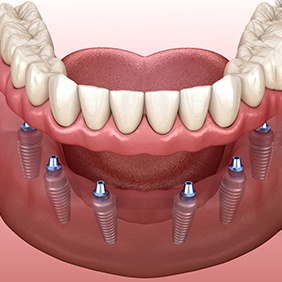
Instead of relying on nearby teeth or your gum line, implant dentures will be directly anchored to titanium posts that are embedded into your jawbone. This will give your restorations superior stability, meaning you won’t have to worry about your teeth accidentally moving out of place. You can also expect your results to last several decades to a lifetime with minimal dental care!
How Dentures Are Made
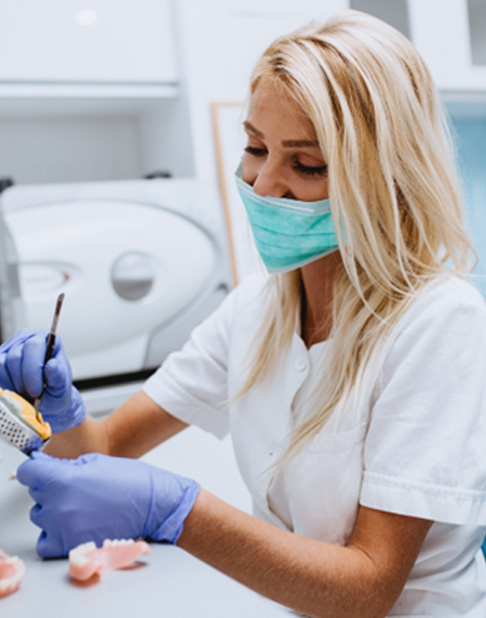
Congratulations on choosing to restore your smile with the help of durable, lifelike dentures! Now, the real work begins. But not to worry, your new teeth will be in excellent hands as they’re custom crafted just for you at the dental lab. Here’s a closer look at how the creation process works, and all the meticulous detail that goes into your beautiful new teeth!
What Are Dentures Made Of?
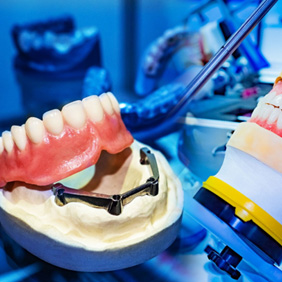
Your new dentures will be made of two equally important parts: the base of the denture, and the teeth. Here’s a closer look at each:
- Denture Base: The base of the denture is its foundational structure which holds the teeth in place. It can be made of several different materials, including acrylic, nylon, porcelain, resin, or even metal. In most cases, full dentures are made with acrylic because it can be easily tailored to match the color of your natural gum tissue. Partial dentures are often made with metal clasps or clips on an acrylic base. In some cases, nylon can be used instead of acrylic.
- Artificial Teeth: To ensure that the teeth look natural, they are often made with durable resin or acrylic; however, porcelain is usually more popular because of its realistic feel. Although both options are very durable, porcelain can be abrasive to adjacent teeth, so it is typically only used for full dentures.
The Denture Creation Process
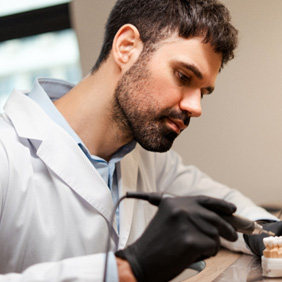
Because each denture is custom made for your individual mouth, they require an intensive, multi-step process to create. Here’s a closer, step-by-step look at how the magic happens:
- Step 1: At your consultation, Dr. Sanchez will take impressions of your upper and lower gums to be used in the creation of a plaster model that is essentially a replica of your mouth. This model will be used to ensure that your final denture is the correct size and shape.
- Step 2: Next, the model of your mouth is sent off to a dental laboratory for your dentures to be made. Once it arrives, lab technicians will create a wax version of your gum line.
- Step 3: Now, the artificial teeth can be set in place. A mechanical device known as an articulator is used to attach them to the wax model. Once secure, the technician will make minor adjustments to the model by shaping and carving the wax, so it looks just like your real gums. This wax base will eventually be used to create your finished dentures!
- Step 4: The wax dentures will now be sent back to FS Dental Arts. Once they arrive, you will return to see us for a fitting. If you and Dr. Sanchez approve, the dentures will be once again sent back to the lab to complete the manufacturing process.
- Step 5: Upon arrival at the lab, a technician will boil your dentures to get rid of the wax portions by placing them in a flask. They will then pour plaster into the flask to maintain the shape of the dentures, and then place the entire flask in hot water, liquifying the wax.
- Step 6: Holes can now be made in the teeth so the base material can attach to them. The lab technician will add a liquid separator to the plaster to prevent the material from sticking to it. The material will then be injected into the flask to replace the wax.
- Step 7: Now, the technician will carefully remove the plaster using special lab tools, revealing your brand-new denture. The dentures are then placed in an ultrasonic bath to remove any remaining plaster.
- Step 8: Any excess material can now be cut from the denture. After its trimming, it will then be polished to perfection and sent back to FS Dental Arts.
- Step 9: Once your denture arrives at our office, you will be scheduled to return once again for a fitting. Any necessary adjustments can be made at this time to ensure it looks and feels right, and you will be free to go enjoy your beautiful new smile!
Adjusting to Your New Dentures

Please be aware that it’s perfectly normal to experience some initial discomfort with your new dentures. You may feel some mild soreness or have difficulty speaking and eating, but these should go away with time as you adjust to your prosthetics. You can help your mouth adjust faster by eating a soft diet, exercising your facial muscles, practicing speaking out loud, and experimenting with denture adhesives.
If the discomfort persists beyond the first few weeks, please reach out to Dr. Sanchez, as further adjustments may be necessary.
The Benefits of Dentures

If you are missing many teeth, you may have trouble completing many activities of daily living like eating, speaking, and smiling confidently. Thankfully, dentures from FS Dental Arts can be an excellent way to restore one, several, many, or all of your teeth because they can provide a wide range of benefits for your oral and overall health. Here’s a quick look at how dentures from our office in New York can help you enjoy the benefits that come with a complete smile after tooth loss.
Psychological Benefits

People who have lost all their teeth often have difficulty adjusting to tooth loss, and this can lead to a host of mental wellness issues like sadness, depression, and a sense of isolation. Being nervous about showing your smile can make it difficult to engage in social activities, but restoring your grin with beautiful dentures from our Chicago office can help you feel confident when smiling, speaking, and chewing.
Clearer Enunciation

Tooth loss can alter the way sound moves through the mouth during speech, which can make it difficult to form certain words properly. Since dentures function in the place of your lost teeth, they can make it much easier to enunciate clearly and communicate effectively. After you have a little time to get used to wearing your appliances, you should find speaking with them to feel incredibly easy and natural.
Improves Nutrition

Many nutritious foods can be too tough to chew easily if you are missing teeth. Thankfully, dentures can allow a patient to enjoy a wide range of tasty and healthy foods like raw fruits and veggies, fresh meat, and crunchy nuts and seeds. Being able to chew items like these thoroughly can make it much easier to stay in good health and avoid unpleasant issues like indigestion and malnutrition.
Preserves Oral Health
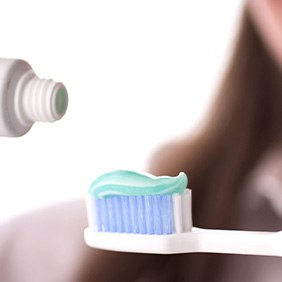
Tooth loss can lead to a host of oral health issues like gum injuries, uneven enamel erosion, and dental drift. Dentures can support the remaining teeth to help them stay in place and minimize the stress of chewing while protecting the gum tissue from injuries caused by food debris.
Expands Opportunities

Not being confident in your smile can make it difficult to leave favorable first impressions at work or when being considered for a new job. Restoring your smile with dentures can make it easy to grin proudly in business situations, which can help you meet people, win trust, build rapport, make friends, close sales, establish relationships, and stand out from the competition.
Understanding the Cost of Dentures
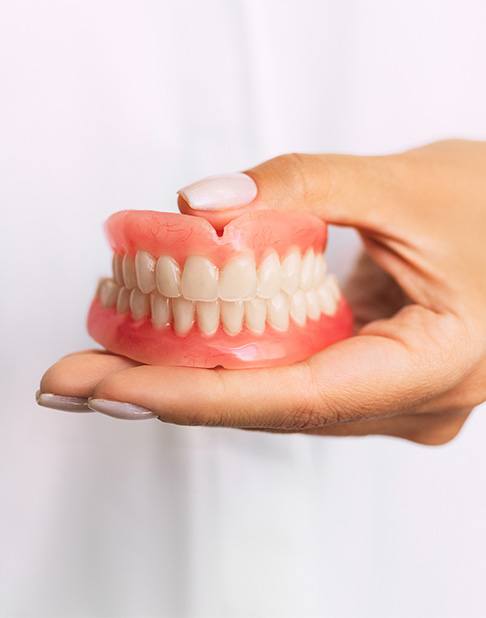
Your financial situation should never prevent you from replacing your missing teeth. Many factors affect the cost of dentures, but we offer flexible financial solutions to keep a new set of teeth within your budget. You won't have to compromise quality or aesthetics. We will create the durable and natural-looking dentures you need for a beautiful, functional smile.
Factors That Affect the Cost of Dentures

Every mouth is as unique as fingerprints, so there's no one-size-fits-all denture. Therefore, various factors will influence the amount you'll pay. Besides your initial consultation, it's not unusual to require preliminary procedures, like tooth extractions or gum disease therapy, which will be factored into the cost. In addition, the type of denture you choose and the quality of the materials will affect your estimate. It's best to focus on quality instead of price when choosing materials for your new teeth. You'll enjoy a more comfortable fit and longer-lasting results when choosing high-quality materials.
Are Implant Dentures More Expensive?
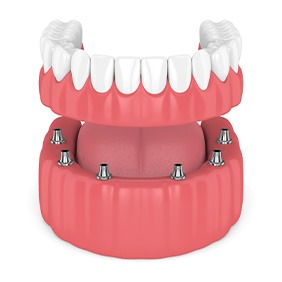
Implant dentures may cost more initially than traditional dentures, but they are the most affordable overall. Dental implants have over a 95% success rate and can last for decades, so you'll never have to budget for replacements. In addition, dental implants offer benefits that aren't possible using any other method, like jawbone preservation. They will improve your oral health, so you're less likely to need costly procedures later. You’ll benefit from a solution that looks and feels natural.
Does Dental Insurance Cover Dentures?

Your dental insurance may cover your consultation and diagnostic services for a co-pay. Your insurance might pay some of the costs for any medically necessary treatments, like tooth extractions. You can use your annual allowance to lower the amount you will pay out-of-pocket for your dentures. After meeting your annual deductible, your insurance may cover 50% to 80% of the expenses until reaching your yearly limit. We will work on your behalf with your dental insurance to maximize your coverage.
Other Options for Making Dentures Affordable
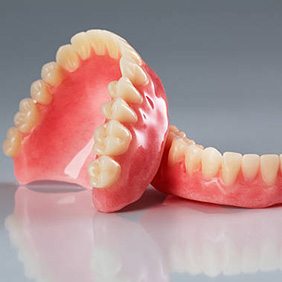
Besides dental insurance, we offer many other solutions to keep dentures affordable for everyone. A member of our dental team will review your estimate and discuss your payment options, including:
- Traditional Payments: We accept cash, personal checks, and most credit cards for your convenience.
- Financing: Based on your credit approval, you can pay any out-of-pocket expenses using a monthly payment plan through a third-party financing company, like CareCredit.
Dentures Aftercare
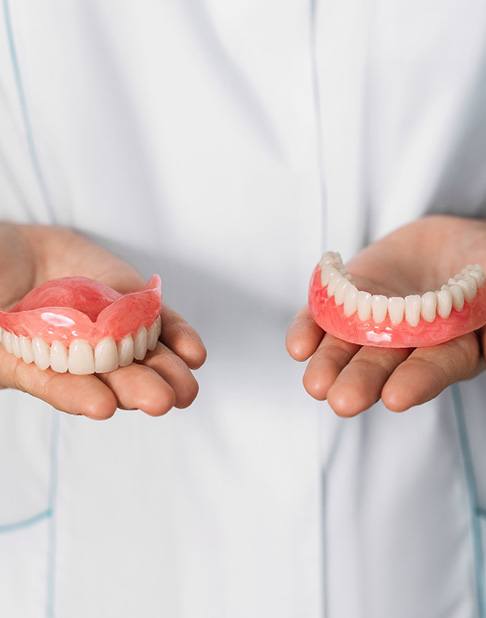
Your dentures aren’t made from the same organic components as your natural teeth and gums, so you don’t have to worry that they will get cavities. However, you must continue to clean your mouth and restoration regularly to avoid common dental concerns, such as gum disease, as plaque and bacteria can accumulate on their surfaces.
Continue reading to learn how to maintain your dentures to keep them in great shape and enjoy their many benefits while safeguarding your smile!
Removable Dentures
Remove After Eating
Your new teeth can restore a portion of your original bite force so that you can enjoy a variety of wholesome foods to support your oral and overall health. However, they can also trap small bits of food, which attract harmful bacteria that can contribute to dental disease or decay.
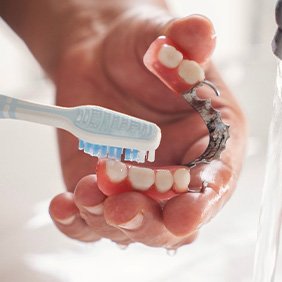
You can prevent this by removing your dentures and rinsing them under gently running water after eating, but avoid using overly hot temperatures, which can warp their base so they no longer fit or function correctly.
Clean Your Restoration
It’s also essential to remove your prosthetics twice daily for a more thorough cleaning. You can brush them with a soft-bristle toothbrush and mild dish soap to help remove plaque buildup and unwanted germs. Steer clear of standard toothpastes, which can be abrasive on the materials, as well as anything with whitening ingredients, which are ineffective on dentures.
Keep Your Dentures Safe
These prosthetics can become incredibly slippery during washings, and unfortunately, can sustain chips and cracks, or break altogether, if they fall onto a hard enough surface or from a sufficient height.
You might try placing a soft towel or pillow beneath you when you clean them so they have a soft surface to cushion them if they take a tumble.
Remove Dentures When You Sleep
Some patients wonder if it’s acceptable to sleep with their dentures in, but this usually isn’t recommended for a few reasons. Firstly, they form a tight bond with your connective tissues, which reduces circulation. This can prevent your body from delivering essential nutrients or infection-fighting cells to your mouth to help protect it.
You might develop sores or gum disease that make it uncomfortable to continue wearing your new teeth. Not only that, but the germs that collect on their surfaces can be inhaled, increasing the risk of lung problems and other diseases and infections, such as pneumonia.
As a result, Dr. Sanchez typically recommends taking them out at night and leaving them in a glass of water or a special soaking solution.
Notice Changes
Paying attention to your own dental condition can help you identify changes in time to contact our team for help before they can progress. For example, if you notice darker or puffier gums than usual, you might have gum disease that requires treatment before it worsens.
Also, if you notice chips, cracks, or other damage to your dentures, please contact us to schedule an appointment rather than trying to mend them yourself. You might accidentally harm them or make matters worse by using household items to try to fix them or improve their fit at home. Meanwhile, Dr. Sanchez has the experience and state-of-the-art equipment to help repair or replace them as necessary.
Denture FAQs
Can I Use Regular Toothpaste to Clean My Dentures?
You might be surprised to hear that using regular toothpaste for your dentures is not recommended. The reason why is that, although it’s suitable for your natural teeth, the abrasive ingredients can leave microscopic scratches on the surface. Initially, this might not seem like an issue. However, it can lead to serious damage over time. Simply put, it’s best to use products that were made specifically for dentures.
Do Dentures Break Easily?
Dentures don’t break easily, but they also aren’t indestructible. That’s why patients are told to treat their restoration with care – from storing it properly at night to cleaning it over a soft towel in the morning. With good habits like this in place, yours should last for upwards of a decade.
Can I Sleep with My Dentures?
When you first get your dentures, you may be asked to wear them around the clock, including while you sleep. Once your dentist gives you the green light to transition from that, you should remove them at night so your gums have a chance to rest. This is also a great opportunity to give your dentures a deeper clean by soaking them in a dentist-recommended cleaner. By morning, they will be fresh, clean, and ready for everything on the agenda that day!
What Can’t You Eat with Dentures?
Basically, you want to avoid anything that’s difficult to chew, like gummy candies, chewy steak, and raw nuts. It’s also important to steer clear of sesame seeds, popcorn, and other foods that contain really small pieces since they can get stuck in your dentures. Essentially, you want to fill your meals with smile-friendly, nutrient-dense, and easy-to-chew options, like plain yogurt, low-sugar applesauce, and vegetable soup.
Am I Too Young to Get Dentures?
It goes without saying that infants, toddlers, and very young children are not candidates for dentures. That said, they aren’t just for seniors either. After all, recent research found that roughly 33% of adults between the ages of 20 and 39 and 66% of adults between the ages of 40 and 64 are missing at least one tooth. So, if you are struggling with tooth loss and you want a healthy, beautiful, and functional smile again, don’t hesitate to schedule an appointment with us to explore your options!
Why Do My Dentures Smell?
Having smelly dentures can take a serious toll on your self-esteem, making it hard to feel confident with coworkers, close friends, and everyone in between. We recommend first taking a look at your diet. If it’s packed with pungent foods like fish and onions, then tweaking your meals might be the solution. If that doesn’t help, then it might be your oral hygiene regimen. So, make sure to commit to healthy habits, like soaking your dentures nightly, brushing twice a day, and getting a dental checkup and cleaning every six months.